
Bookkeeping vs. Accounting: What Singapore Businesses Need to Know
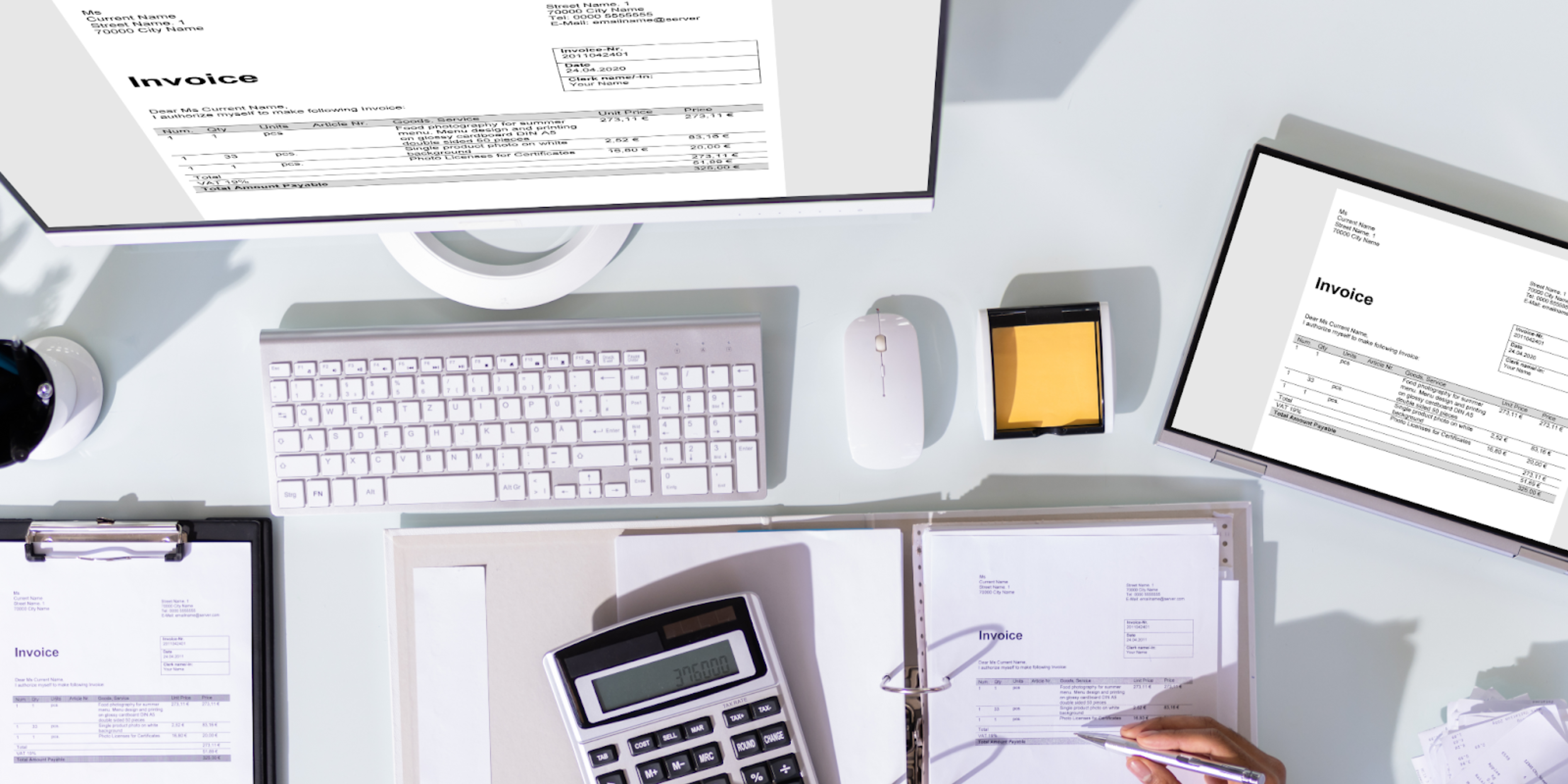
For Singapore businesses, understanding the distinction between bookkeeping and accounting is crucial for effective financial management. Though often used interchangeably, these terms represent different aspects of a business’s financial process. Here’s what you need to know about each and how utilizing both can benefit your business:
1. Bookkeeping: The Foundation of Financial Records
- Definition: Bookkeeping involves the daily recording of financial transactions, including sales, expenses, receipts, and payments. The main goal is to keep accurate, up-to-date records of all business activities.
- Tools and Practices: Using software like QuickBooks or Xero can simplify this process by automating entries and categorizing transactions, reducing human error.
- Benefits for Singapore Businesses: Accurate bookkeeping ensures compliance with the Inland Revenue Authority of Singapore (IRAS) requirements and provides a clear snapshot of your financial health, aiding in effective cash flow management.
2. Accounting: The Analysis for Strategic Decision-Making
- Definition: Accounting goes beyond data entry; it involves analyzing, interpreting, and reporting financial information gathered through bookkeeping. This includes preparing financial statements, tax filings, and strategic forecasts.
- Services and Insights: Accountants provide insights into profitability, cost control, and tax optimization. They help with year-end tax planning, financial reporting, and advising on business growth strategies.
- Value for Singapore Businesses: By analyzing the financial data, accounting helps businesses in Singapore make informed decisions, stay compliant with local regulations, and optimize their tax obligations for better financial outcomes.
3. How Bookkeeping and Accounting Work Together
- Integrated Approach: Bookkeeping lays the groundwork by providing detailed, accurate records that accountants use to create financial reports and provide strategic insights. Without proper bookkeeping, accounting becomes less accurate and less effective.
- Technology and Software: Many businesses in Singapore use integrated software solutions like Zoho Books or MYOB that combine bookkeeping and accounting features, enabling seamless data flow and reducing administrative burdens.
- Cost and Time Efficiency: Hiring a combined bookkeeping and accounting service or outsourcing to a professional firm can streamline financial management, reduce errors, and free up time for business owners to focus on core operations.
Conclusion
Understanding the difference between bookkeeping and accounting is key for Singapore businesses to maintain compliance and make strategic financial decisions. While bookkeeping focuses on the accurate recording of transactions, accounting interprets this data to guide business strategy. By utilizing both, businesses can gain a comprehensive view of their financial health, optimize tax obligations, and ultimately drive growth in a competitive market.