
Constructing an online casino library isn’t about signing contracts with every studio that offers a game. At Duel Casino new slots, the process is systematic, data-driven, and guided by a clear rule: every single title must earn its place. We look at thousands of games each year, but only a carefully screened, tight selection ever makes it to the lobby. This filtering process balances mathematical integrity, technical performance, entertainment value, and player demand. The result is a library that avoids clutter while offering meaningful variety across slots, table games, live dealer experiences, and instant-win titles, giving players real choice without bloat. Once you know how this selection works, you gain a better sense of what’s behind the thumbnails you scroll past every day, and why some games show up while others never do.
How Data Shapes the Ongoing Library Composition
A game’s original approval doesn’t ensure it a permanent spot. Once it’s live, we watch player behaviour closely, following far more than session counts. Average session duration, how often players return, bet distribution, and feature engagement all feed into a composite health score. If a slot receives lots of clicks but players leave after fewer than twenty spins, that’s a red flag: the marketing and the actual gameplay loop don’t correspond. On the flip side, a game that launches with modest numbers but builds steady repeat play often suggests a title that rewards patience and builds loyalty.
This data-driven approach keeps the lobby from turning into a graveyard of abandoned releases. When a title’s engagement metrics dip below our thresholds for a while, we don’t remove it right away. Instead, we look at context. Did it launch during a holiday when competing promotions stole attention? Is it a seasonal genre? If the underperformance looks structural, not just a timing issue, the game goes into a review queue for possible delisting. That keeps the library dynamic, shaped by what players actually play, not by studio hype or short-term marketing pushes.
We also use aggregated data to spot gaps in the catalogue. If we see a rising trend in cluster-pay mechanics across the industry but our lobby is thin in that subcategory, the data tells us what to scout for next. That completes the loop: what players show they want through their behaviour directly shapes what we ask from development partners. The library becomes a reflection of real demand, not a static list negotiated months in advance.
Balancing Game Categories for a Harmonious Lobby
A well-curated casino library is more than a long list of slots. We organize the lobby around distinct verticals, each with its own selection logic. Slots get the biggest chunk because they cater to the widest range of player tastes, but we avoid the urge to stuff it with clones. Instead, we compare each new slot against existing ones across dimensions like volatility class, theme cluster, feature set, and max win potential. A proposed game that overlaps heavily with three already in the lobby faces a higher bar than one that occupies a clear thematic or mechanical gap.
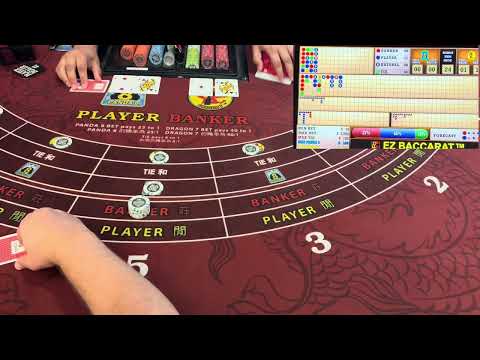
The table games section operates on a different principle: depth matters more than breadth. Players looking for blackjack, roulette, or baccarat usually focus on rule variants, betting limits, and interface clarity, not a huge headcount. We opt for a concise set of well-executed versions covering common rule sets, with close attention to play speed and how intuitive the betting interface feels. One high-quality European roulette with a clean racetrack view outperforms five mediocre versions with confusing layouts. We select this category knowing that table game players are often more sensitive to interface friction than slot players.
Live dealer content sits on its own curation track. The main variables are studio quality, dealer professionalism, stream stability, and the spread of betting limits at each table. We collaborate closely with live casino providers to make sure table limits accommodate both cautious newcomers and experienced players who want higher stakes. The live lobby also has to account for geographic time zones, so players logging in during off-peak hours still find active tables with real human dealers, not pre-recorded loops. This logistical layer adds complexity to live game selection that extends far past ticking a box in a provider agreement.
Safe Play Considerations in Casino Game Creation
Game selection at Duel Casino incorporates a responsible gaming lens that examines structural features, not just marketing claims. We review the game pace, the betting limits, the display and importance of autoplay functions, and the visual and audio feedback loops tied to victories and close calls. A title that shortens game turns to under two seconds, eliminates natural pauses between rounds, or employs winning visuals that exaggerate how often you win will undergo extra scrutiny. These design patterns are extensively noted in academic research on gambler conduct, and we take that research seriously.
We also examine how openly losses are displayed. Games that highlight victory totals while minimizing full stake picture can skew how gamblers perceive session outcomes. We prefer titles that give open play records and steer clear of design tricks shown to promote recovering deficits. When a slot has a bonus buy feature, we ensure that the fee is displayed clearly and that the projected worth of the buy-in isn’t distorted through selective feature demos. These evaluations aren’t about limiting choice; they’re about ensuring the decision is informed.

Our responsible gaming team has a direct line to the game curation group. If a slot prompts worries during assessment, we don’t immediately dismiss it. Occasionally we collaborate with the creator to adjust configurable parameters, like round pace limits or mandatory reality-check prompts, to align the slot with our standards. In other cases, the problems are mechanical and can’t be fixed with configuration, so we reject the game. This integrated approach means safe play isn’t a separate department firing off occasional memos; it’s an engaged contributor in building the library.
The function of Game Providers and Studio Partnerships
The link between an operator and a game studio determines the library far more than most players recognize. We maintain a tiered partnership structure: established industry leaders, mid-size innovators, and boutique studios that make very niche content. The biggest providers, Evolution, Pragmatic Play, and NetEnt, provide the backbone of our live casino and slot sections. Their games bring tested math models, wide localisation, and the reliability that comes from years of iteration. These partnerships are crucial for the familiar experiences players often seek by name.
Mid-size and boutique studios have a different, equally important role. They offer us the differentiation that keeps the lobby from looking like every other casino. We actively seek out studios that take creative risks with mechanics, art direction, or themes that bigger providers might overlook as too niche. A small studio working on a noir-inspired narrative slot or a unique gamble feature can provide the kind of distinctive experience that draws players tired of the mainstream. These partnerships need more hands-on involvement during integration, often with joint feedback loops where our player data helps the studio refine future releases.
Every partnership, no matter the tier, comes with contractual terms that demand timely updates, bug fixes, and compliance with changing regulations. If a provider keeps failing to patch known issues or drags its feet on delivering updated game certificates, the relationship goes into review, and we may suspend new title additions from that studio. Protecting the live lobby’s integrity means holding partners accountable for their post-launch support, not just how shiny the initial product is.
The Foundational Criteria for Game Acceptance
Before we even look at a game’s theme, art style, or bonus features, it has to meet a set of mandatory technical and regulatory checks. The first criterion is licensing and certification. We only accept studios that possess valid permits from accredited testing labs, such as eCOGRA, iTech Labs, or GLI. These labs verify that the random number generator works properly and that the advertised return-to-player percentages correspond to the actual math behind the software. Without that third-party stamp, a game can’t be listed, no matter how polished it looks, how well-known the studio, or how engaging its soundtrack. This protects players from hidden mechanics and makes sure every spin, deal, or drop adheres to a genuinely random distribution.
The second condition is integration stability. A game can work perfectly in a developer’s demo, but break down on a live platform with thousands of players. Latency, crashes, and display errors manifest fast. Our technical team conducts a defined integration protocol that measures load times, memory usage, and compatibility across the precise browsers and devices our players access, from older iPhones to budget Android tablets. If a game consistently exceeds permissible latency thresholds or causes session interruptions, we decline it or refer it to the developer with detailed fixes required and a hard deadline. This step is invisible to end users, but it’s essential for maintaining a lobby where titles start fast and run without friction.
Finally, we run a content integrity check that extends beyond technical parameters. We review paytable structures, bonus buy-in costs where they are used, and how transparently the game rules are presented. A title that conceals its max win potential, uses misleading visual cues, or hides volatility info in obscure menus won’t get past this stage. Players are entitled to to know what they’re playing before they invest real money. This triangle of certification, integration stability, and content transparency is the cornerstone we build every other selection decision on, and no game bypasses any of these steps.
Mobile Performance as a Key Choosing Criterion
More than half of all interactions on Duel Casino now arrive via mobile devices, so mobile optimisation is not a secondary factor, it’s a primary gate. A game that looks stunning on a desktop but turns into unreadable buttons, overlapping UI, or unresponsive touch targets on a smartphone screen won’t get approved. Our testing protocol includes hands-on evaluation across a range of devices encompassing different screen sizes, OS versions, and chipset performance tiers. Games need to show they can maintain frame rates stable and inputs responsive, even on mid-range devices that are a few years old.
We scrutinise portrait-mode usability thoroughly. Many players operate their phones one-handed, and a game that demands landscape or positions critical controls at the very top of the screen creates needless friction. We favour titles that support flexible orientation and position spin buttons, bet adjusters, and menu icons within easy thumb reach. Developers who engage in genuine mobile-first design, instead of just shrinking a desktop interface, typically score higher in our evaluations, and their games obtain faster approval cycles.
Battery drain and data consumption also are important. A game that causes the device noticeably hot or chews through excessive background data during a typical twenty-minute session gives a lousy experience, no matter how fun it is. We measure resource usage during testing and mark titles that exceed acceptable efficiency bands. That safeguards players from nasty surprises on their data plans and helps make sure a session at Duel Casino won’t leave their device gasping for a charger.
Player Feedback and Its Influence on the Catalogue
Hard numbers shows one side, but direct player input offers insight that data alone can’t catch. We operate structured feedback channels, like post-session surveys, title-specific reviews, and regular community surveys, that give players a voice in the catalogue’s development. When a product gets consistently low satisfaction scores even with strong play numbers, that signals a problem worth investigating. Users may enjoy the setting and gameplay but believe the risk level is mislabeled or the bonus triggers less frequently than anticipated. These qualitative insights often uncover problems that pure session data obscures.

Player requests are another valuable input. When several users independently ask for a specific game variant, a given studio’s collection, or an rarely seen feature, we track those ideas and evaluate them during procurement phases. We cannot satisfy every suggestion, but patterns that persist across quarters hold significance. If a significant segment of the player base repeatedly demands a certain poker style or a certain live show style, that interest directly guides the key objectives we pitch to our provider partners during negotiations.
We also keep an eye on general user talk on independent forums and rating sites, not to chase every opinion, but to detect new trends. If gamers on various platforms start buzzing about a new release from a company not yet in our network, that indication encourages us to assess the developer’s games. This market awareness prevents the catalogue from turning inward, driven only by our own numbers and current supplier relationships. The gaming audience functions as an advance alert system for trends and quality shifts that might otherwise take months to become visible in our internal data.
Common Questions
At what interval does Duel Casino add new games to its library?
New titles usually land every week, but the exact timing depends on technical integration, certification checks, and final QA. Big-name studio launches are often fast-tracked to match global launch dates, while niche games follow a more adaptable schedule. You can browse the “New” section of the lobby to see the latest additions as they go live.
Why are some popular games absent from the Duel Casino lobby?
A game may be missing for a few reasons. The studio may not have a partnership agreement with us, the title could have failed our technical or responsible gaming checks, or regional licensing restrictions might prevent it in certain jurisdictions. We’re always assessing new partnerships, so a missing title today doesn’t mean it’s gone forever.
Does Duel Casino remove underperforming games from the lobby?
Yes, we periodically take down games that show sustained low engagement and show no improvement to repositioning. Taking them down isn’t instant; we first check whether external factors like seasonal timing or promotional visibility played a role. If the underperformance is structural, the title gets phased out to keep the lobby clean and free of dead content.
How does Duel Casino verify the fairness of its games?
Every game needs certification from an approved independent testing lab such as eCOGRA, iTech Labs, or GLI. These certificates confirm that the random number generator produces genuinely random outcomes and that the published RTP percentages are accurate. We validate these certificates before adding any title, and we require providers to hold their documentation current.
Is the games on Duel Casino optimised for both iPhone and Android devices?
Yes, mobile optimisation is essential for every title in the library. We test on a variety of iOS and Android devices, including older models, to verify games run smoothly, display properly, and respond correctly to touch. Titles that flunk mobile performance checks are rejected until the developer addresses the issues we highlight.
Can players propose games they wish to see added?
Absolutely. We gather game requests through customer support, community polls, and post-session feedback forms. We do not guarantee every requested title will be added, but persistent demand for a particular game or provider directly affects our sourcing priorities during negotiations and content planning.
Does Duel Casino assess games for responsible gaming features before listing them?
Yes, every title goes through a responsible gaming assessment that looks at spin speed, autoplay functionality, bet spread transparency, and how clearly wins and losses are presented. Games that use design patterns tied to loss-chasing or distorted outcome perception face extra scrutiny and may be declined or require configuration tweaks before approval.
The process of selecting a game library is never done. It’s a continuous cycle of review, integration, monitoring, and refinement that responds to technological change, shifting player expectations, and evolving regulatory standards. For anyone exploring the Duel Casino lobby, this behind-the-scenes work means every available title has passed through a deliberate sequence of checks designed to protect fairness, performance, and genuine entertainment value. The next time a new game catches your eye, you can be confident it earned its spot through more than just a compelling trailer.