
How to Prepare for an IRAS Tax Audit in Singapore: A Comprehensive Guide for Businesses
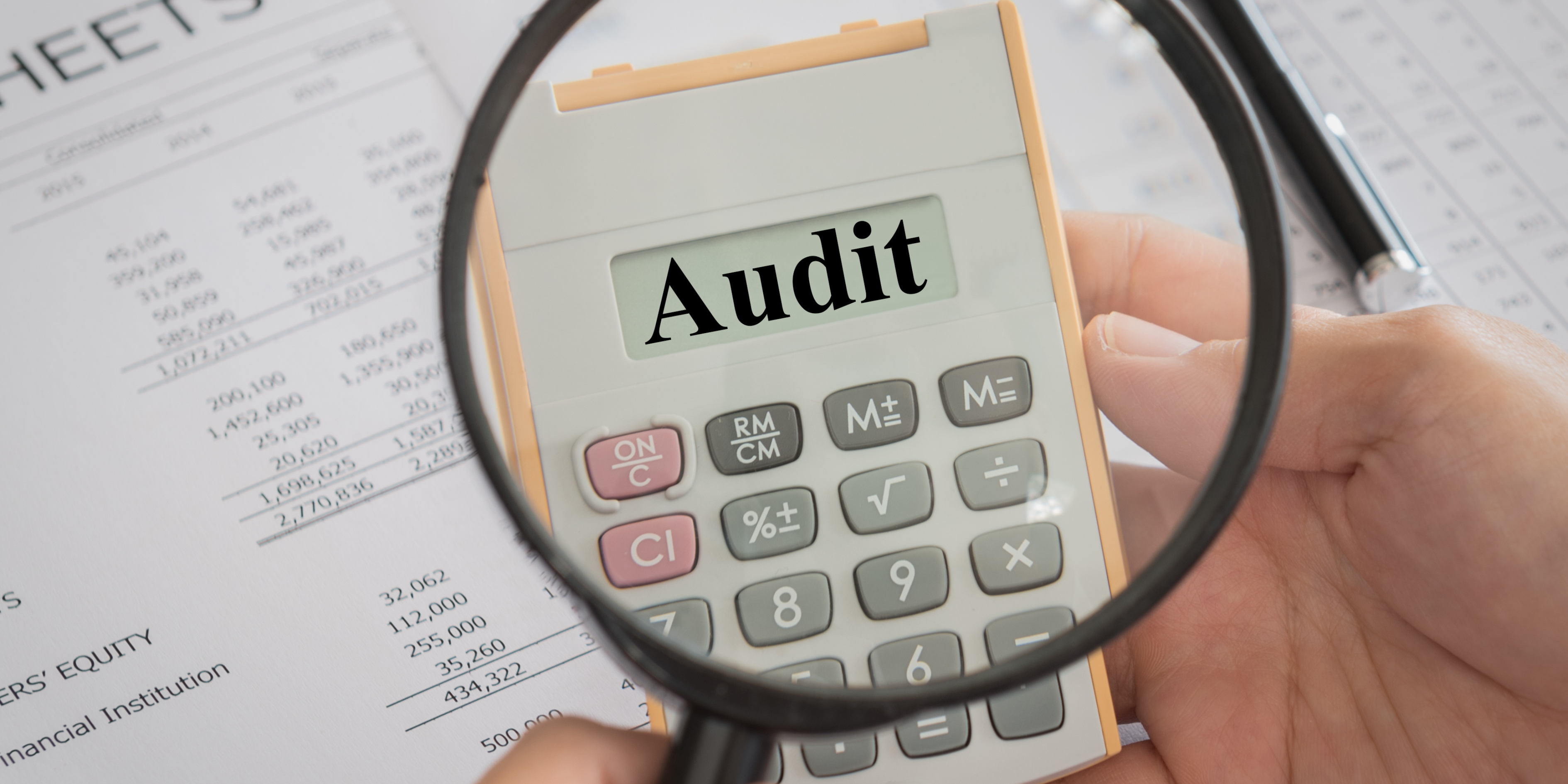
Preparing for a tax audit by the Inland Revenue Authority of Singapore (IRAS) can be daunting, but with the right approach, businesses can navigate this process smoothly. Here’s how to get ready:
Keep Accurate and Organized Financial Records
One of the primary reasons businesses face issues during an IRAS tax audit is disorganized or incomplete records. Ensure that all financial documents, such as invoices, receipts, payroll records, and bank statements, are accurate and well-organized.
Use reliable accounting software like QuickBooks or Xero to streamline record-keeping and categorize transactions properly. Maintain detailed logs of expenses, especially those related to business travel, entertainment, and employee benefits, as these are commonly scrutinized.
Conduct a Pre-Audit Review
Performing an internal review before the official audit can help identify potential issues. Work with your accounting team or hire a tax advisor to review previous tax filings, financial statements, and compliance with GST obligations.
Look for inconsistencies or discrepancies in reported income, expenses, and deductions. Correct any errors found and ensure that supporting documents are readily available to substantiate claims. This proactive approach helps reduce the risk of penalties and demonstrates good faith in compliance to IRAS.
Understand Key Areas of Focus for IRAS
IRAS tends to focus on specific areas during audits, such as income reporting, GST compliance, and claims for deductions. Familiarize yourself with common red flags, such as discrepancies in GST filings, excessive business expense claims, and unusually low reported income.
Keep detailed records of any tax incentives or grants claimed, and ensure compliance with conditions set by IRAS. Regularly review updates on tax regulations to stay informed about what might trigger an audit and be prepared to justify your tax positions with clear documentation.
Conclusion
Preparing for an IRAS tax audit requires meticulous record-keeping, proactive internal reviews, and an understanding of common areas of scrutiny. By organizing financial documents, conducting pre-audit assessments, and staying updated on tax regulations, businesses can minimize the risk of penalties and streamline the audit process.
Engaging a tax advisor can also provide valuable insights, ensuring your company is well-prepared and compliant with IRAS requirements.